How Sandalwood Farming Pays Over Time
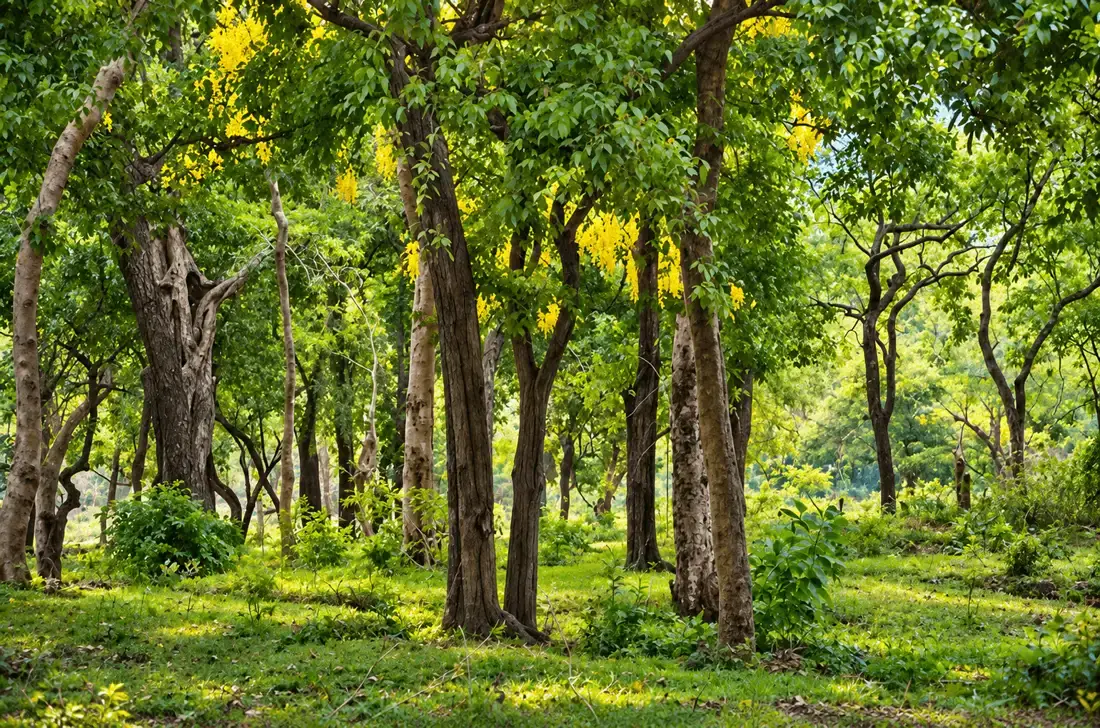
Sandalwood is a long-cycle crop. Its value comes at harvest, many years after planting, which is why managed sandalwood farms usually pair it with crops that earn sooner.
Two kinds of income
- Long term: white sandalwood, harvested at maturity under forest department procedures
- Regular: seasonal fruits and vegetables grown between the trees
How Arogya Vana shares it
- 70% of sandalwood profit goes to the plot owner
- 100% of fruit and vegetable income goes to the owner
- All subject to the terms in your agreement
What affects returns
- Survival and growth of the trees, which depends on care, water and protection
- Market price of sandalwood at harvest
- Land value growth in the area
We don't quote per-tree or per-acre profit figures, because they depend on all of the above. Returns are not guaranteed.
New to sandalwood? Read our full sandalwood farming guide: how it grows, soil and water, planting, protection and legal sale.
The Phase 3 plan is ₹25 lakh per 4,400 sq.ft plot: ₹15 lakh for the land plus ₹10 lakh as a managed investment, with returns as per agreement (terms apply). See the plan.
Related: managed farmland near Bangalore · sandalwood farmland · FAQs
Frequently asked questions
When is sandalwood harvested?
It is a long-cycle crop; the timeline is set out in your agreement.
Who gets the sandalwood income?
70% of the profit goes to the owner, subject to terms.
Is there income before harvest?
Yes, from seasonal fruits and vegetables, 100% to the owner, subject to terms.
Explore Arogya Vana Phase 3
See the land in person before you decide.
General information, not financial or legal advice. Returns and appreciation are not guaranteed; review all project documents before investing. Arogya Vana is a project of Saptha Ventures.